MCESD Discusses the Impact of Artificial Intelligence on Business and the Labour Market in Malta
MCESD Agrees to Commission Study on the Impact of Artificial Intelligence on Business and the Labour Market in Malta
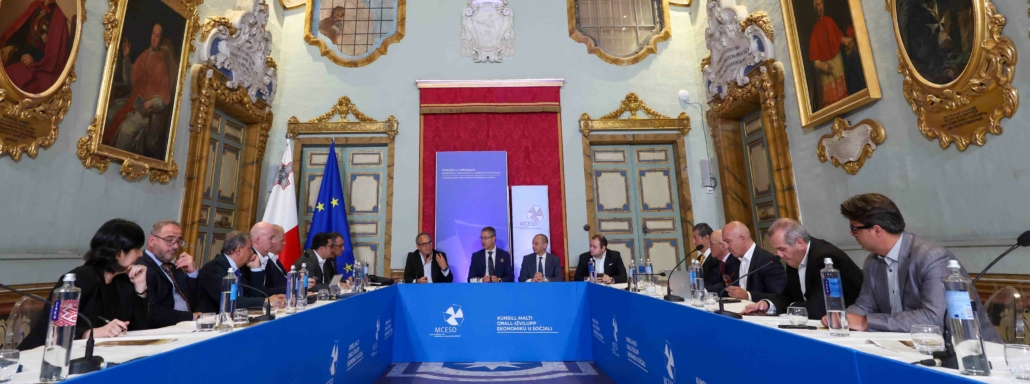
At its most recent meeting, the MCESD agreed to commission a national study to analyse the opportunities and challenges that Artificial Intelligence (AI) is bringing to the Maltese economy and the labour market.
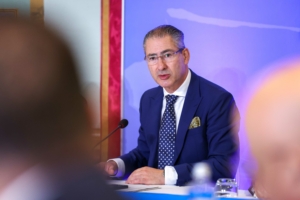
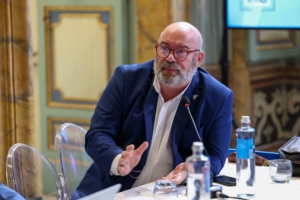
This initiative was proposed by the Parliamentary Secretary for Social Dialogue, Andy Ellul, and reflects the central role of the MCESD as the national platform where strategic discussions take place on the country’s economic and social future.
The Council emphasised that AI is not only a technology increasingly entering business operations but also a factor that shapes long-term policy and strategic planning. For this reason, the MCESD stressed the importance of investing in evidence-based research, ensuring that the country is prepared seriously and realistically for the changes ahead.

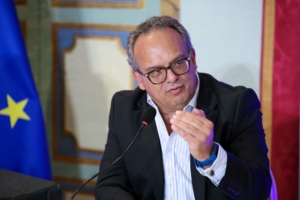
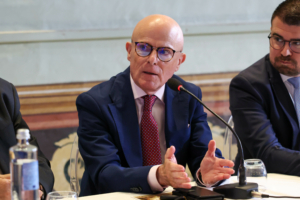
Dr Ellul explained that AI is expanding across every sector of employment and that this study forms part of ongoing efforts to evaluate the impact of AI not only on the labour market but also on Malta’s social and economic landscape as a whole. He also highlighted that AI can play a key role in the government’s long-term vision, including the wider introduction of remote working and the Right to Disconnect, both of which form part of a broader package of measures intended to strengthen the balance between work and personal life.
Parliamentary Secretary Ellul praised the productive and constructive discussion held at the MCESD and noted the active participation of social partners. He stated that the government has a crucial role in raising national discussion on themes that directly affect workers and society. While opinions may differ, such topics must continue to be addressed openly and seriously.
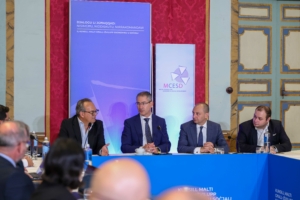
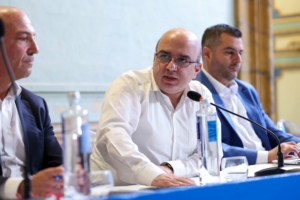
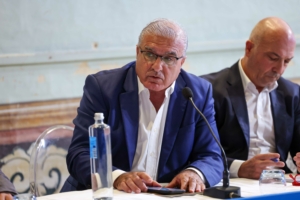
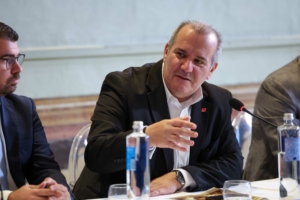
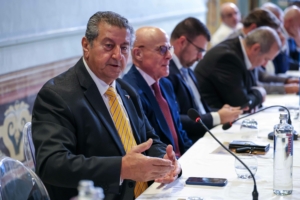
Social partners recognised that AI will create both new opportunities and new challenges for Malta’s economy and labour market. They agreed that the country must be prepared for change across different sectors and that research and analysis are essential to understand and manage this transformation.
They also noted that AI has the potential to improve productivity and efficiency but may also introduce concerns, particularly relating to algorithms and widening skills gaps, which could disproportionately affect older workers. Social partners stressed that the education system must continue to expose students to digital tools while also fostering critical thinking, ensuring that Malta remains competitive and resilient as technological change continues to accelerate.