The First Conference of the Civil Society Committee within the MCESD Highlights the Importance of Social Impact Assessment in Policy Decision-Making
Placing society at the centre of decisions: a discussion on how to strengthen social impact in policy-making.
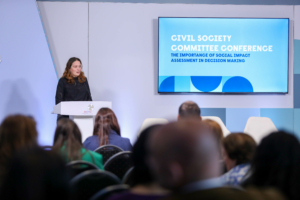
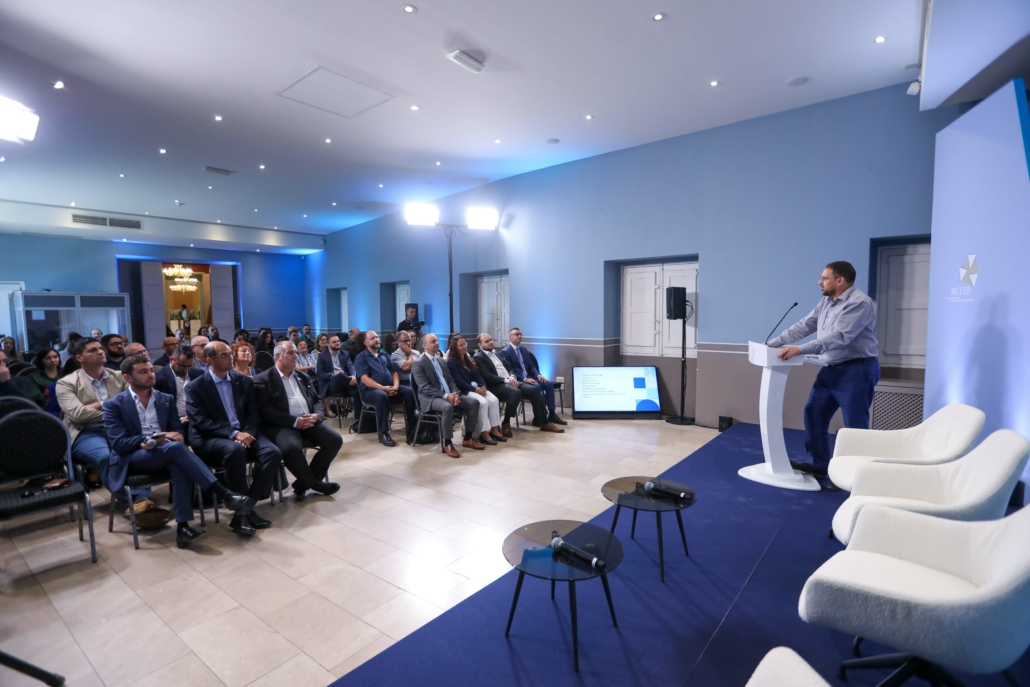
The Civil Society Committee within the MCESD held its first conference focusing on the importance of Social Impact Assessment in policy decision-making. The Committee, which brings together representatives from 12 different sectors, unites non-governmental organisations (NGOs) that represent diverse areas of Maltese society.
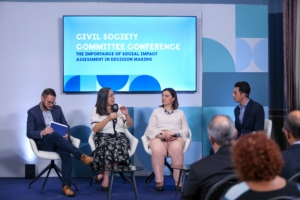
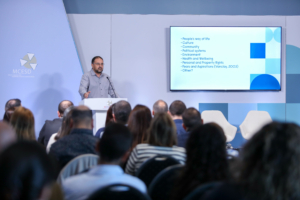
The conference was attended by the Parliamentary Secretary for Social Dialogue, Hon. Andy Ellul; the Shadow Minister for the Economy and Enterprise, Hon. Jerome Caruana Cilia; as well as social partners, members of the Civil Society Committee, and representatives from other non-governmental organisations.
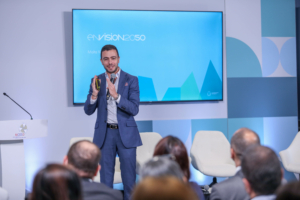
In his address, the Parliamentary Secretary for Social Dialogue, Hon. Andy Ellul, praised the work of the Civil Society Committee within the MCESD for organising this first conference and stressed that the social dimension should remain at the centre of every decision, both in Government and the private sector.
He stated, “This conference highlights the importance of analysing social impact in a concrete way, allowing us to better understand both the positive and negative effects of any policy or project.”
Hon. Ellul also noted that, over the years, the Government has maintained a policy that places the needs of Maltese workers and families at the heart of its decisions through concrete measures such as Miscarriage Leave, NPICU Support Leave and Bereavement Leave, which provide real support during difficult times without placing a burden on employers.
He concluded by emphasising that discussions like these, inspired by initiatives such as this conference, are essential for Malta to continue advancing toward a sustainable and fair future for all.
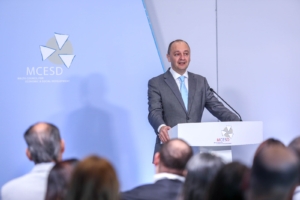
MCESD CEO, Dr Brendan Zerafa, emphasised that this conference clearly demonstrates MCESD’s commitment to strengthening social partners by supporting them in their initiatives. He commended the Civil Society Committee for successfully organising its first conference with the support of MCESD, bringing together ideas and experiences from various sectors of Maltese society and highlighting social impact as a crucial component in the formulation of public policy.
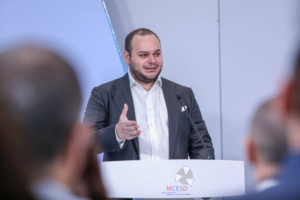
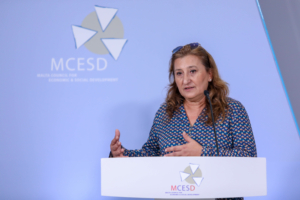
The Chairperson of the Civil Society Committee, Norma Camilleri, explained that this conference was the outcome of discussions held among the 12 sectors represented within the Committee.
She noted: “Through these discussions, it became evident that there is a pressing need for Social Impact Assessment to become an integral part of the formulation of any policy or decision. This also aligns with the principles of the Malta 2050 Vision, which places human well-being at the heart of a strong economy and a happy society.”
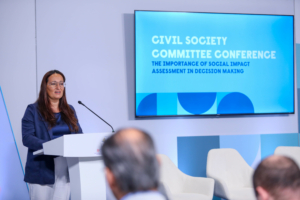
During the conference, it was emphasised that Social Impact Assessment should become a systematic process in the development of national policies and projects. The main objective of the event was to underline the importance of analysing social impacts alongside financial considerations, ensuring that health and well-being are never compromised for economic gain.
Both physical and mental health were described as the foundation of a healthy society. Participants agreed that health impacts should be measured scientifically and considered in decision-making processes, with special attention given to the needs of vulnerable groups.
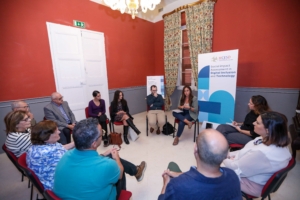
The conference featured four thematic workshops that identified the most relevant social impacts affecting Maltese society:
- Work and Migration
- Digital Inclusion and Technology
- Construction, Infrastructure and Transport
- Health and Education
Participants shared their ideas on how social impact can enhance the value of public policy, ensuring that plans and projects are designed to improve community well-being, strengthen culture, and support national development.
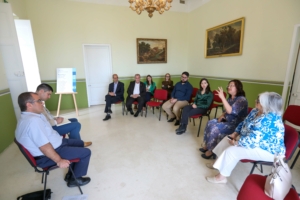
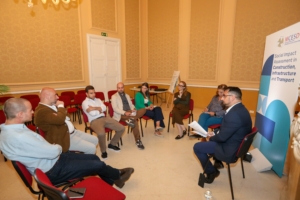
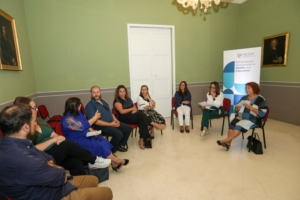
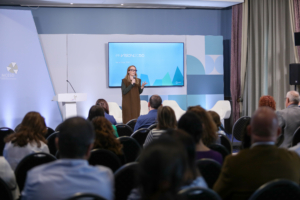
Antoinette Cefai, from the Malta Vision 2050 team within the Office of the Prime Minister, praised the approach taken by this conference, noting that it complements the ongoing public consultation on the Vision for Malta 2050. She stated, “The suggestions we heard in the workshops and speeches are aligned with the objectives of Vision 2050, which is built on a healthy and sustainable quality of life for all. The work already underway by the Government reflects these priorities within this national vision.”
Photos: